INTJ – 60%
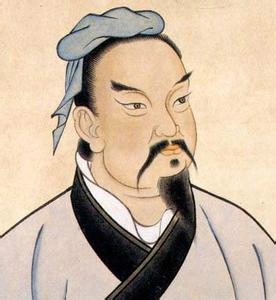
The INTJ personality type, often referred to as the "Architect," is characterized by strategic thinking, high intellectual capacity, and a preference for planning and organization. Sun Tzu, the ancient Chinese military strategist and philosopher, is frequently associated with this type due to his methodical approach to warfare and profound strategic insights.
Strategic Vision: INTJs are known for their long-term planning and ability to see the big picture. Sun Tzu's "The Art of War" emphasizes the importance of understanding the enemy and the terrain, reflecting a strategic mindset.
Analytical Thinking: INTJs possess strong analytical skills, enabling them to dissect complex problems. Sun Tzu's work showcases a deep understanding of military tactics and psychology, indicating a similar analytical approach.
Independence: INTJs value independence and self-reliance. Sun Tzu's teachings often highlight the importance of self-sufficiency and the ability to adapt to changing circumstances.
Decisiveness: INTJs are decisive and confident in their decisions. Sun Tzu's strategies often involve bold actions and clear directives, demonstrating a decisive nature.
Critics of the INTJ classification argue that Sun Tzu's teachings also exhibit elements of other personality types, such as the ENTJ or ISTP. However, the predominant view aligns Sun Tzu with the INTJ type due to the emphasis on strategic planning and analytical prowess.
ENTJ – 30%
The ENTJ personality type, known as the "Commander," is characterized by leadership, assertiveness, and a focus on efficiency and organization. Some analyses suggest that Sun Tzu's leadership qualities and assertive strategies align with the ENTJ profile.
Leadership: ENTJs are natural leaders who take charge of situations. Sun Tzu's role as a military strategist and his influence over leaders reflect this trait.
Assertiveness: ENTJs are assertive and confident in their decisions. Sun Tzu's teachings often involve bold actions and clear directives, demonstrating assertiveness.
Efficiency: ENTJs value efficiency and effectiveness. Sun Tzu's strategies emphasize swift and decisive actions to achieve objectives.
Organizational Skills: ENTJs excel in organizing resources and people. Sun Tzu's meticulous planning and coordination of military forces showcase this ability.
While some scholars associate Sun Tzu with the ENTJ type, others argue that his introspective and strategic nature aligns more closely with the INTJ profile. The debate highlights the complexity of categorizing historical figures into specific personality types.
ISTP – 10%
The ISTP personality type, known as the "Virtuoso," is characterized by a hands-on approach, adaptability, and a focus on practical solutions. Some interpretations suggest that Sun Tzu's emphasis on adaptability and practical strategies aligns with the ISTP profile.
Adaptability: ISTPs are known for their ability to adapt to changing circumstances. Sun Tzu's teachings emphasize the importance of flexibility and adjusting strategies based on the situation.
Practicality: ISTPs focus on practical solutions and are skilled in troubleshooting. Sun Tzu's strategies are grounded in practical applications of military tactics.
Hands-On Approach: ISTPs prefer to learn through experience and direct engagement. Sun Tzu's insights are based on real-world military experiences and observations.
Analytical Skills: ISTPs possess strong analytical abilities, enabling them to assess situations effectively. Sun Tzu's work demonstrates a keen understanding of military dynamics and human behavior.
The ISTP classification of Sun Tzu is less commonly supported compared to the INTJ and ENTJ classifications. However, proponents argue that his emphasis on adaptability and practical solutions reflects ISTP traits.
Sources
No comments yet — be the first.