INFP – 56%
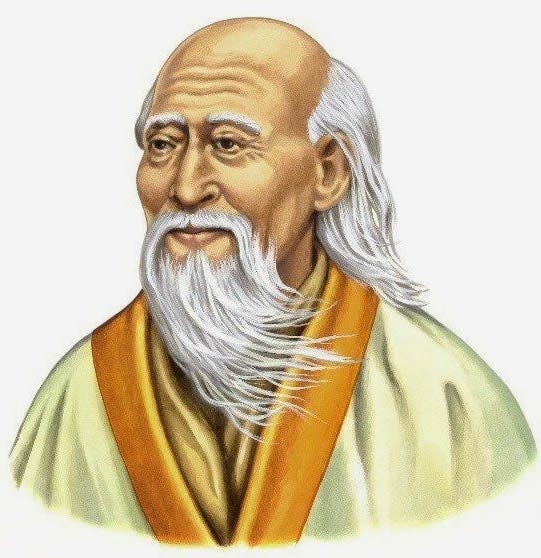
The INFP personality type, often referred to as the "Mediator," is characterized by a deep sense of idealism and a strong desire to understand the world and their place within it. Laozi, the ancient Chinese philosopher and author of the Tao Te Ching, embodies many of these traits. His teachings emphasize harmony, simplicity, and the importance of inner peace, reflecting the INFP's quest for authenticity and personal values.
- Idealism and Visionary Thinking: Laozi's philosophy promotes a vision of a harmonious world achieved through simplicity and naturalness, aligning with the INFP's idealistic nature.
- Deep Reflection and Introspection: The Tao Te Ching encourages self-reflection and understanding one's true nature, resonating with the INFP's introspective tendencies.
- Emphasis on Individuality: Laozi advocates for following one's own path and not conforming to societal expectations, mirroring the INFP's value of individuality.
- Focus on Inner Peace: The text highlights the importance of inner peace and balance, central to the INFP's pursuit of personal harmony.
Critics, however, might argue that Laozi's teachings are too abstract and lack practical application, a perspective that contrasts with the INFP's desire for meaningful action. Additionally, some interpretations suggest that Laozi's philosophy leans more towards the INFJ type, emphasizing visionary leadership and a focus on the collective good.
INFJ – 36%
The INFJ personality type, known as the "Advocate," is recognized for its deep insight into human nature and a strong commitment to helping others. Laozi's teachings in the Tao Te Ching reflect these qualities, emphasizing wisdom, compassion, and the importance of understanding the natural order.
- Visionary Leadership: Laozi's guidance on leading by example and fostering harmony aligns with the INFJ's natural inclination towards visionary leadership.
- Emphasis on Compassion: The text advocates for compassion and understanding, resonating with the INFJ's empathetic nature.
- Focus on Personal Growth: Laozi's philosophy encourages continuous self-improvement and understanding, mirroring the INFJ's commitment to personal development.
- Desire for Meaningful Impact: The Tao Te Ching promotes actions that lead to lasting positive change, reflecting the INFJ's drive to make a meaningful impact.
Some interpretations suggest that Laozi's teachings are more aligned with the INFP type, focusing on personal authenticity and inner peace. However, the INFJ's emphasis on collective well-being and structured guidance offers a compelling alternative perspective.
INTP – 23%
The INTP personality type, often called the "Thinker," is characterized by a love for abstract concepts and a desire to understand the underlying principles of the universe. Laozi's Tao Te Ching delves into profound philosophical ideas about the nature of reality and the Tao, appealing to the INTP's intellectual curiosity.
- Analytical Exploration of Concepts: Laozi's exploration of the Tao and its paradoxes aligns with the INTP's interest in complex, abstract ideas.
- Emphasis on Understanding Over Action: The text promotes understanding the natural order rather than active intervention, resonating with the INTP's preference for contemplation.
- Value of Knowledge and Wisdom: Laozi's teachings highlight the importance of wisdom and knowledge, central to the INTP's value system.
- Skepticism of Conventional Wisdom: The Tao Te Ching challenges traditional norms and encourages questioning established beliefs, mirroring the INTP's critical thinking approach.
Critics might argue that Laozi's teachings are too abstract and lack practical application, a perspective that contrasts with the INTP's desire for logical coherence and practical understanding. Additionally, some interpretations suggest that Laozi's philosophy leans more towards the INFP type, emphasizing personal authenticity and inner peace.
Sources
No comments yet — be the first.