ENFJ – 60%
ENFJs, often referred to as "Protagonists," are known for their charismatic and inspiring leadership. They are deeply empathetic, attuned to the emotions of others, and possess a strong desire to help people realize their potential. This personality type is characterized by a combination of Extraversion, Intuition, Feeling, and Judging preferences.
Evidence Supporting ENFJ Typing:
Charismatic Leadership: ENFJs are natural leaders who inspire and motivate others. Their ability to connect with people on an emotional level makes them effective in guiding and supporting those around them.
Empathy and Emotional Intelligence: A hallmark of the ENFJ personality is a profound empathy for others. They are highly attuned to the emotions and needs of those around them, often going out of their way to provide support and encouragement.
Strong Communication Skills: ENFJs excel in communication, both in expressing their own ideas and in understanding the perspectives of others. This skill enables them to navigate complex social dynamics and foster harmonious relationships.
Organized and Goal-Oriented: With a preference for Judging, ENFJs tend to be organized and decisive. They set clear goals and work diligently to achieve them, often taking on leadership roles to guide others toward shared objectives.
Majority Viewpoint:
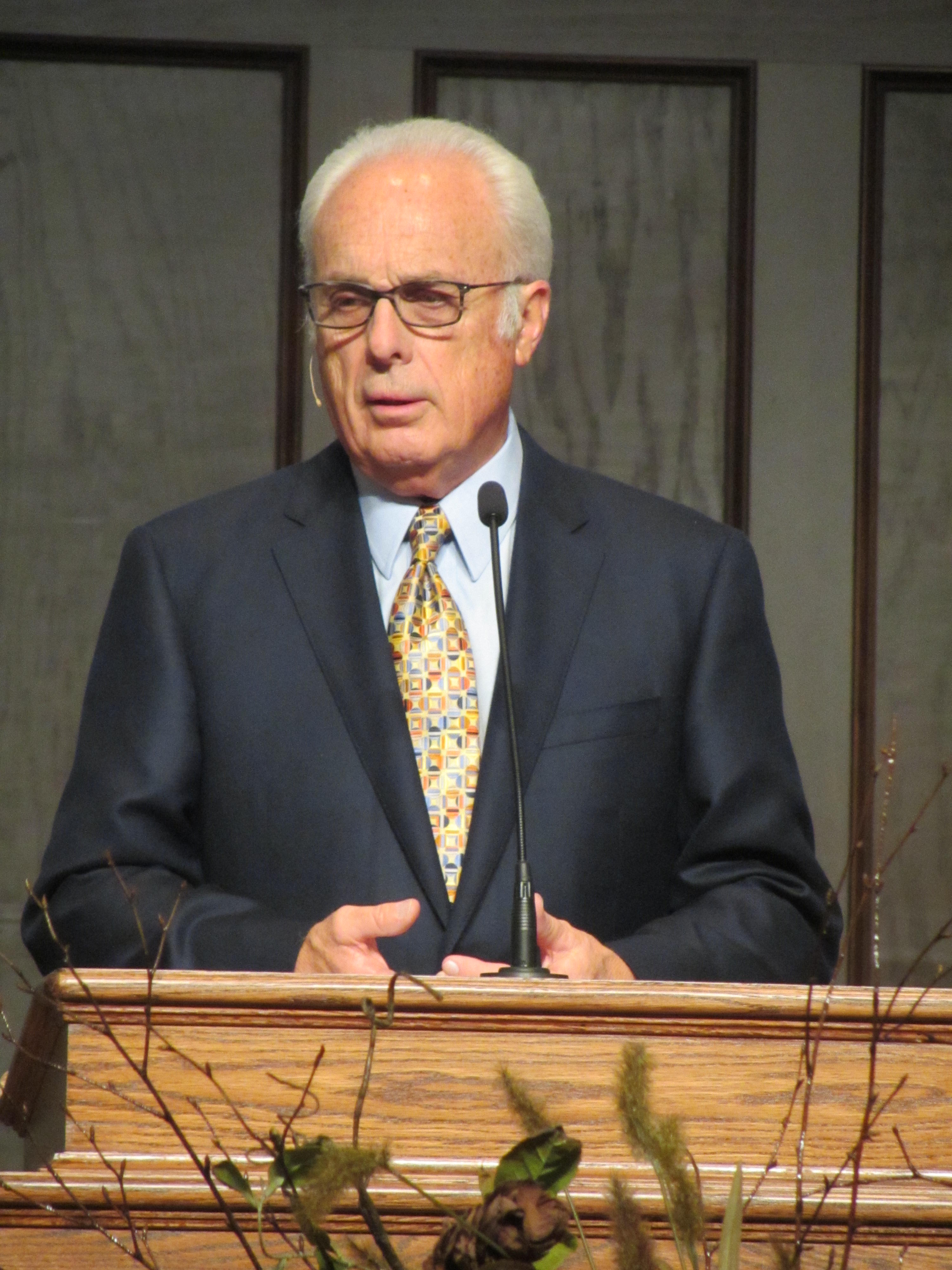
The majority of sources identify John MacArthur as an ENFJ. This assessment aligns with his role as a prominent pastor and leader, where his ability to connect with and inspire his congregation is well-documented. His empathetic approach to ministry and strong communication skills further support this typing.
Minority Viewpoint:
A minority of sources suggest alternative personality types for John MacArthur, such as ESFP or INTJ. However, these assessments are less commonly supported and may not fully capture the nuances of his public persona and leadership style.
ESFP – 30%
ESFPs, known as "Entertainers," are spontaneous, energetic, and enjoy engaging with others in lively and fun ways. They are often the life of the party, bringing enthusiasm and a sense of adventure to their interactions.
Evidence Supporting ESFP Typing:
Spontaneity and Energy: ESFPs are characterized by their spontaneous nature and high energy levels. They thrive in dynamic environments and enjoy engaging in activities that provide immediate gratification.
People-Oriented: With a strong preference for Extraversion, ESFPs are sociable and enjoy being around people. They are often described as warm and approachable, making them well-liked in social settings.
Practical and Realistic: ESFPs tend to focus on the present moment and are grounded in reality. They prefer to deal with facts and are often skilled at handling practical tasks.
Artistic and Creative: Many ESFPs have a strong appreciation for aesthetics and may engage in artistic pursuits. They enjoy expressing themselves through various forms of art and creativity.
Majority Viewpoint:
The majority of sources do not support the ESFP typing for John MacArthur. His role as a theologian and preacher, which requires deep reflection and a focus on abstract concepts, is more aligned with personality types that favor Intuition and Judging preferences.
Minority Viewpoint:
The ESFP typing is a minority viewpoint and is not widely supported. It may stem from interpretations of his public speaking style or social interactions, but these observations do not fully align with the core characteristics of the ESFP personality.
INTJ – 10%
INTJs, known as "Architects," are strategic, analytical, and have a strong desire to understand the world and improve it. They are independent thinkers who value intelligence and competence.
Evidence Supporting INTJ Typing:
Strategic Vision: INTJs are known for their ability to develop long-term strategies and plans. They are forward-thinking and often focus on improving systems and processes.
Analytical Mindset: With a preference for Thinking, INTJs approach problems logically and objectively. They value knowledge and are often experts in their fields.
Independence: INTJs tend to be self-reliant and prefer to work alone. They trust their own abilities and judgments, often seeking to implement their ideas without external influence.
High Standards: INTJs set high standards for themselves and others. They are driven by a desire for competence and often expect excellence in their endeavors.
Majority Viewpoint:
The majority of sources do not support the INTJ typing for John MacArthur. While he exhibits analytical skills in his theological work, his public persona and leadership style are more consistent with the ENFJ profile.
Minority Viewpoint:
The INTJ typing is a minority viewpoint and is not widely supported. It may be based on observations of his strategic thinking and planning abilities, but these traits do not fully align with the core characteristics of the INTJ personality.
Sources
No comments yet — be the first.